
Navigating the Hidden Climate Risk: Microplastic Pollution and Plastic Waste - Innovative Strategies for a Sustainable Future.
Earth and Mother Nature were created thousands of years ago. Keeping apart the mythological concepts, according to science, the solar system, which also includes the earth, was created by the big bag theory. The earth, which was only composed of lava and volcanoes, slowly, by decades, cooled down, and later it was filled with sea. At the earlier stage, the earth had no oxygen, humans, or any animals at all. As the first living organism from the domain of Archaea was evolved and slowly evolved, the world with its diverse range of living organisms, which include humans, was developed. Earth and the mother of nature provide every essential to us one by one. To eat fresh fruits and to drink clean water to breathe fresh air. But we humans, what are we doing now?
In the Stone Age, humans lived without harming Mother Nature, utilizing all its features, and going forward with agriculture and livestock farming. But now, with the modernization and improvement of thousands and thousands of technologies, our mother nature faces several crises due to all the human-made pollution and waste disposal.
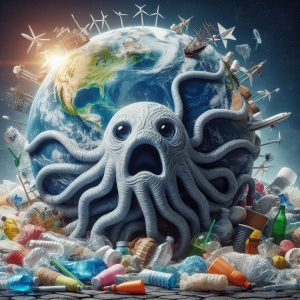
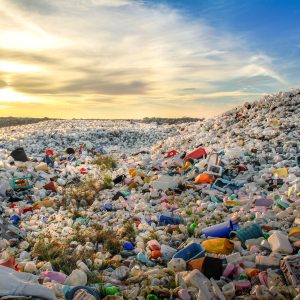
Talking about pollutants and waste, there are so many types of them, making this earth in crisis. In this article, I am only going to discuss plastic waste and microplastic pollutants, which are the most dangerous and most considered crises in the world at the present. Plastic pollution has become a global crisis, with microplastics and plastic posing significant hazards to both the environment and human health. One of the major hazardous effects of microplastics and plastics is their impact on marine life. Numerous studies have shown that marine animals, such as sea turtles, seabirds, and marine mammals, mistake plastic debris for food or become entangled in plastic waste. This can result in injury, suffocation, and even death for the marine organisms. For example, a study conducted by the University of Exeter found that over half of all sea turtles worldwide have ingested plastic, which can lead to obstruction of their digestive systems, malnutrition, and a weakened immune system. In addition to marine life, microplastics and plastic pollution also have detrimental effects on terrestrial ecosystems. For instance, when plastic waste breaks down into microplastics (Lagarde et al., 2016), it can contaminate soil and freshwater sources, affecting plants and animals that rely on these environments. Moreover, the toxic chemicals found in Microplastics can last for hundreds of years, accumulating in soil, waterways, and even the atmosphere. Due to its resistance to biodegradation and the fact that it takes a long time to degrade, the study by Rochman et al. (2013) states the expected plastic accumulation will reach 33 billion tons by 2050.
The presence of MPs with a high concentration in canned food has therefore become an emerging concern in recent years. Also, the potential risk of MP leading to lung cancer due to the presence of different synthetic fibers in the lung tissue of these cancer patients has been identified (Pauly et al., 1998). The earth is exposed to microplastics by the release of micro and nanoplastic particles from textiles, synthetic rubber tires, and plastic covers into the environment. These pollutants affect not only the ocean but also the surface and soil. Significant effects of MPs were also observed in the fields of water holding capacity, bulk density of soil, microbiological activity, and soil structure with regard to soil and soil-water interaction. Although it might be challenging to forecast such changes, the shift in soil structure may result in changes in the microbial composition of the soil. According to a study, MP pollution may cause the soil’s bulk density to drop, which could accelerate evaporation and have a major impact on plant development.
In the future, if the issue of plastic pollution is not effectively addressed, there are several potential risks to consider. These risks include the continued degradation of ecosystems and biodiversity loss as plastic pollution disrupts the natural balance of marine and terrestrial environments. Furthermore, the persistence of microplastics in the environment means that their accumulation will only continue to increase over time, exacerbating the problem. Ultimately, the long-term consequences of plastic pollution on human health are still largely unknown. However, there is growing concern about the potential link between microplastics and plastic chemicals and diseases such as cancer, reproductive issues, and endocrine disruption. In order to mitigate these hazardous effects and future risks, it is crucial to take immediate action.
This includes implementing stricter regulations on the production and disposal of plastic, promoting sustainable alternatives to single-use plastics, and investing in research and technology to develop more eco-friendly materials. The hazardous effects of microplastics and plastic are evident in their impact on marine life. For example, research has shown that plastic debris can cause entanglement and ingestion issues for marine animals such as sea turtles, seabirds, and marine mammals. Nature itself is evolving and fighting against this plastic and microplastic crisis by evolving some microorganisms to eat plastic and some bacteria and algae that can degrade microplastic as well. For example, Ideonella sakaiensis, 201-F6, is a bacterium capable of degrading PET into ecologically favorable monomers such as TA (terephthalic acid) and ethylene glycol. This bacterium can produce two enzymes (PETase and MHETase) that hydrolyze PET and use plastic trash as its principal source of carbon nutrients.
In addition, microplastics and plastic pollution can also lead to ecosystem disruption, decreased biodiversity, and contamination of soil and freshwater sources. Furthermore, microplastics can act as carriers for harmful pollutants such as heavy metals and persistent organic pollutants, which can bioaccumulate in organisms and pose risks to their health and survival. With smart strategies to reduce and overcome this plastic pollution crisis, we can save our mother nature and our gift of a wonderful place to our next generation.
Key References
Shuangxi Li, Panpan Wang, Chao Zhang, Xiangjun Zhou, Zhihong Yin, Tianyi Hu, Dan Hu, Chenchen Liu, Liandong Zhu, 2020. Influence of polystyrene microplastics on the growth, photosynthetic efficiency and aggregation of freshwater microalgae Chlamydomonas reinhardtii. Science of The Total Environment, Volume 714, p. 136767. |
Pauly Stegmeier, Allaart H.A., Cheney R.A., Zhang P.J., Mayer A.G., Streck R.J., 1998. Inhaled cellulosic and plastic fibers found in human lung tissue. Cancer Epidemiol Biomarkers Preview, 7(5), pp. 419-428. |
Rochman, C. M., Browne, M. A., Halpern, B. S. & Hentschel, B. T., 2013. Policy: Classify plastic waste as hazardous. Nature , Volume 494, p. 169–171. |

M.A.M.A. Shahan,
BSc (Hons) Agriculture& Plantation Management,
Wayamba University of Sri Lanka,
0729655846,
akeelshahan@gmail.com