
Comprehensive Remediation and Sustainable Waste Management Strategies for Karadiyana Dumpsite in Sri Lanka
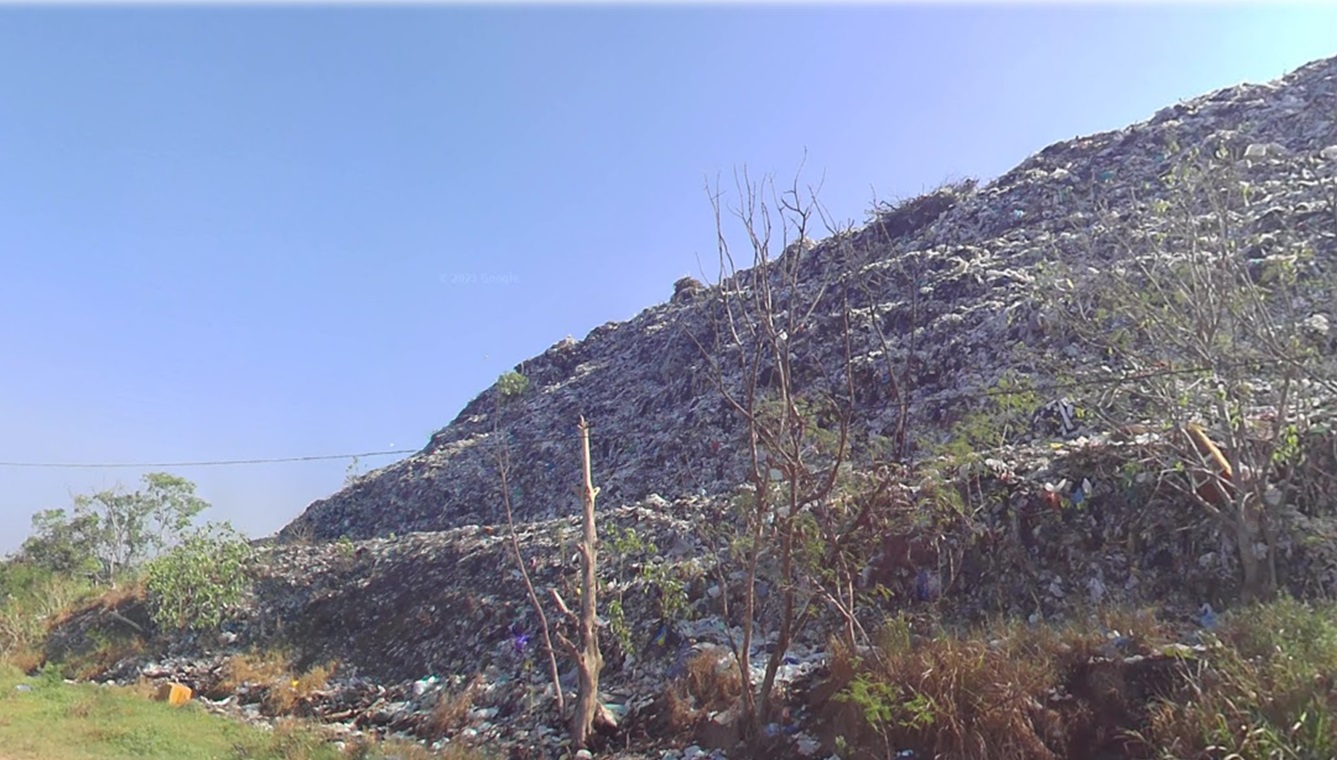
Open dumpsites in developing countries are significant sources of environmental pollution, contributing extensively to air and water contamination. The uncontrolled dumping of waste and the frequent exceeding of designed dump capacities exacerbate these issues. Consequently, it is essential to develop and implement proposals aimed at regulating and improving the management of existing open dumpsites. Such measures are important to mitigate their adverse environmental impacts and promote sustainable waste management practices. The Karadiyana dumpsite is a non-sanitary type landfill located in the Western Province of Sri Lanka for non-hazardous solid waste, under the jurisdiction of the Kesbewa Municipal Council (Longitude: 79.902855, Latitude: 6.815720).
The current operational state of the dumpsite reveals a critical lack of waste segregation, with the site accommodating a mix of non-hazardous wastes including organic food waste, paper, plastics, etc. This indiscriminate disposal neglects the potential for recycling and reuse of many materials. The absence of a controlled environment and a leachate treatment facility has resulted in significant environmental contamination. Leachate percolation has led to the pollution of both surface and groundwater, posing severe threats to local flora and fauna. Major challenges at this site include the excessive generation of solid waste, a complete lack of recycling or reuse processes, and the site operating well beyond its designed capacity. On the other hand, the dumpsite’s proximity approximately 19 kilometers from Colombo, a major economic hub, highlights the high land value and the importance of effective land reclamation. Addressing these issues is imperative for environmental protection and optimizing the land’s economic potential.
Considering these aspects, a comprehensive long-term remediation action plan is required. This plan will encompass major stages of the waste management system such as garbage separation at a household level, collection, recycling and reuse, incineration, and final disposal in a sanitary landfill. However, these processes cannot be implemented effectively. Initial steps must include the development of infrastructure facilities for garbage processing parallel with community awareness programs. Since the Karadiyana dumpsite location is not a solution anymore, a feasible location in a remote area will be identified. This will allow for the reclamation of the existing land for economic use. Then, a site near the Kalutara area, adjacent to the south coastal railway line, is proposed considering land value and transportation logistics. Thereafter, a centralized garbage processing facility with sufficient capacity to serve the Kesbewa municipal council and the Kalutara district will be constructed in the Kalutara District. Essential components of this facility will include garbage collection centers at both the Karadiyana dumpsite and the new site, a transportation fleet, storage and recycling facilities, an incineration facility, and a sanitary landfill. Additionally, the facility will feature a monitoring and control unit, an education and awareness center, and an emergency response unit to ensure the smooth operation of the system.
Subsequently, a brief discussion will be done regarding the operational philosophy. When considering the transportation of garbage from the Karadiyana dumpsite to the new facility, it is proposed to utilize the existing southern coastal railway line for efficient transport via trains. This approach aims to streamline logistics and reduce the environmental impact associated with road transportation. A community awareness program will be essential to educate residents on the significance of garbage segregation, recycling methods, and reuse practices. As part of this initiative, home composting units will be distributed to households, accompanied by training sessions on producing high-quality organic fertilizer from organic waste such as food scraps and garden trimmings. To support sustainable waste management practices, a garbage disposal fee will be introduced. This fee aims to incentivize waste reduction. However, practical challenges in weighing and calculating garbage costs at collection points necessitate an alternative approach. Therefore, designated garbage bags with color coding will be introduced, available for purchase at stores. The garbage disposal fee is included in to selling price of the bags. This system ensures that consumers indirectly cover the cost of garbage. Throughout this process, the volume of waste reaching the processing facility will be minimized. At the recycling and reuse facility, further sorting of materials such as paper, plastics, PET bottles, etc. will occur. Residual waste will be directed to the incineration facility, where heat generated during incineration will be utilized for power generation, providing a potential revenue stream. The ash residue from the incineration process will be disposed of in the sanitary landfill. Through this systematic approach, the Karadiyana dump site reclamation work can be done effectively. In conclusion, addressing the challenges posed by open dumpsites such as Karadiyana demands a systematic and integrated approach for environmental sustainability and public health preservation. These efforts are pivotal in mitigating pollution, optimizing resource utilization, and fostering a cleaner environment, while also unlocking the economic potential of reclaimed land near Colombo.

Indraji Madhushan Nayaka Bandara
*Department of Civil and Environmental Engineering,
Saitama University ,Japan